

What Kind of Video Does Your Brand Actually Need?
Words byRich StephensCo-founder and filmmaker at PixelRain
11 min readUpdated 4 September 2026
Brand film, social content, case study, explainer, recruitment film. There are more ways to use video than ever. Choosing the right one starts with knowing what you need it to do.
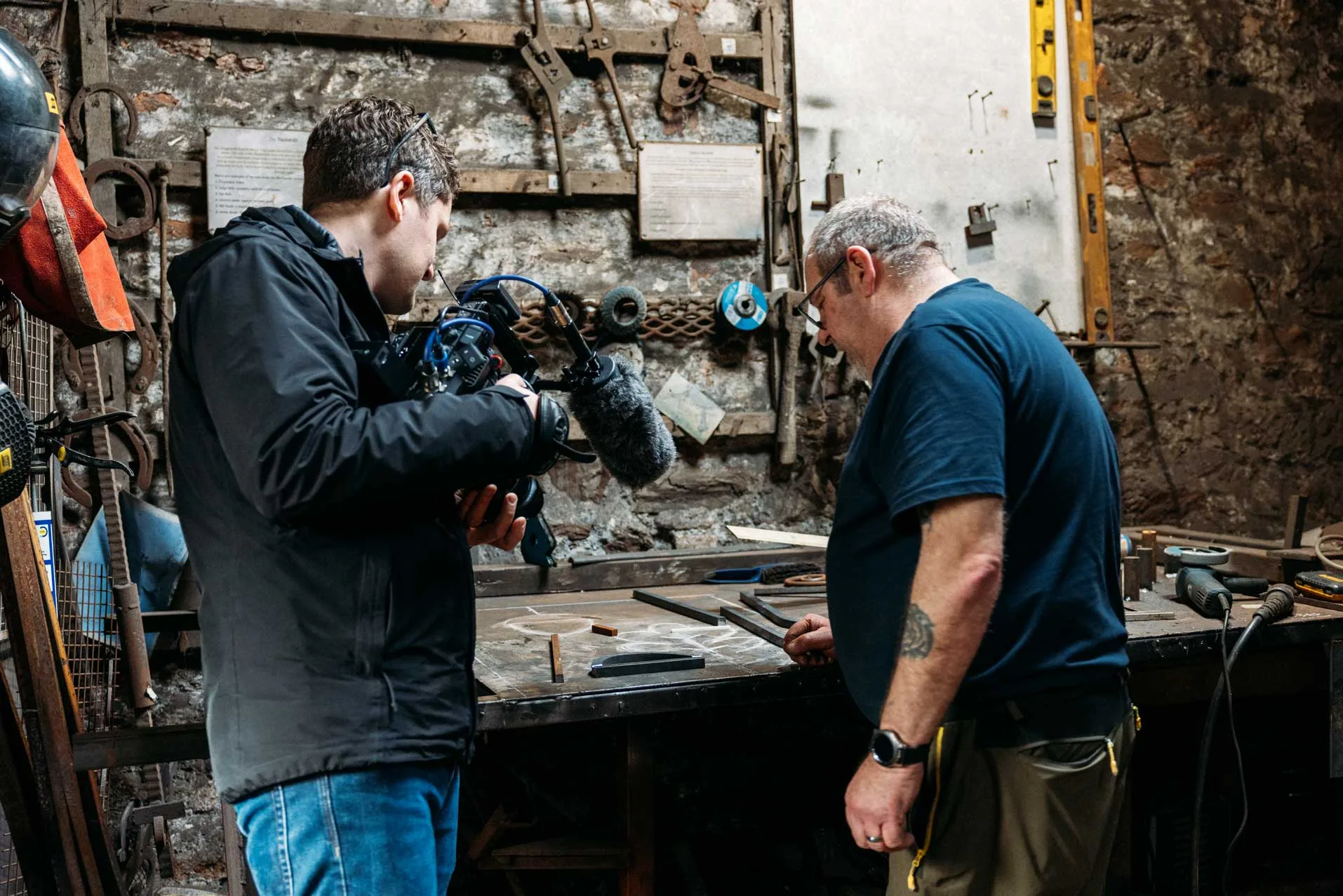
One of the first things we're often asked about a new project is what kind of film we'd recommend.
Sometimes the answer is obvious. A new brand needs something that explains who they are. A hotel needs to make people want to be there. A marketing team has a campaign launching and needs enough material to carry it across several channels.
Sometimes it isn't obvious at all.
You might know you need video without knowing whether that means a two-minute brand film, six short social edits, customer interviews, a film for your homepage, or some combination of all of them. That is completely normal.
There are now more types of video content, more places to put them and more screen shapes to think about than there were even a few years ago. Short-form remains hugely important, but audiences have not collectively stopped watching anything longer than thirty seconds. The same person who flicks through Reels on their phone in the morning might sit down to a twenty-minute film on YouTube that evening.
So the useful question isn't really “What video format should we make?”
It's “What does the film need to do?”
Once you know that, choosing the format becomes much easier.
Section 01
Start with the job
A film might need to make someone aware of you, help them understand you, make them trust you, explain a product, introduce your people or simply show them what being somewhere feels like.
Those are very different jobs, and trying to make a single film do all of them usually leaves you with something that does none of them particularly well.
A better place to start is with the moment in which somebody will encounter it. Are they arriving on your homepage knowing almost nothing about you? Have they found you through Instagram? Are they already comparing you with somebody else? Are they halfway through a buying decision and looking for reassurance?
That context tells you far more than deciding you need a “corporate video”.
Section 02
Brand films: when people need to understand who you are
A brand film sits near the centre of a visual identity.
Its job isn't usually to explain every service you offer or list everything that makes the business good. It gives somebody a sense of the organisation itself: the people, the place, the attitude and the reason it exists.
For that reason, brand films tend to work best when they show rather than declare.
Instead of somebody saying that a food brand cares about quality, show where the ingredients come from and the people working with them. Instead of a hotel describing itself as relaxing, let somebody feel the pace of a morning there. Instead of telling people a company has an interesting culture, spend time with the people who create it.
The strongest brand films give the rest of the marketing something to build from. They might lead the homepage, open an event, form the centrepiece of a launch or establish the visual language for a wider campaign.
They're useful when the question is less “What do you sell?” and more “Why should somebody care that it's you?”
Section 03
Campaign films: when something specific is happening
Not every film needs to explain the whole brand. Sometimes there is simply a moment to talk about.
A product is launching. A new route is opening. A menu has changed. An anniversary is approaching. A destination wants to shift perceptions before a new season.
That is campaign territory.
A campaign film can be more focused than a brand film because it has a particular job to do. Rather than spending time establishing the organisation from scratch, you can get into what is happening and why it matters.
It also gives you a natural reason to think beyond one finished edit. The main campaign film might live on a landing page or lead the launch, while shorter versions introduce different parts of the story on social. Vertical material can be captured specifically for Reels and Shorts, and individual shots can become website headers, advertising creative or future content.
The campaign is the idea. The hero film is one expression of it.
Section 05
Case study and testimonial films: when somebody needs proof
There is a point in many buying decisions where a brand no longer needs to tell somebody it is good. It needs somebody else to say it.
That's where customer stories become useful.
A good case study film doesn't feel like somebody reading a five-star review to camera. It has a story. What was happening before? What problem needed solving? Why did they choose this particular product, service or organisation? What changed afterwards?
Those specifics are what make the endorsement believable.
They are particularly useful further through a buying journey. Someone discovering you for the first time might be better served by a brand film, while somebody already considering working with you may find a real customer describing their experience much more valuable.
You don't necessarily need dramatic statistics either. Sometimes the most convincing detail is simply a customer explaining something in language your next customer immediately recognises.
Section 06
Explainer and product films: when understanding is the barrier
Some things become much easier to want once you understand them.
A product might need demonstrating. A service might be difficult to describe on a webpage. A process might be unfamiliar, or an idea that makes complete sense internally may be surprisingly difficult to explain outside the business.
That is when the film needs clarity more than atmosphere.
The temptation is to explain absolutely everything, but that usually makes the film harder to follow. Good explanation comes from deciding what somebody actually needs to understand next.
Show the thing happening. Use graphics where they genuinely make something clearer. Let people demonstrate rather than recite. Break a complicated subject into a series if one film starts carrying too much.
The most useful explainer often leaves the viewer thinking “I get it”, rather than “that was comprehensive.”
Section 07
People and recruitment films: when the people are the story
Most careers pages say roughly the same things: great culture, exciting opportunities, brilliant people.
Film has an advantage because it can let people make their own judgement.
What does the place actually feel like? Who would they work alongside? How do people speak to one another? What kind of work fills the day?
Real people become much more useful here than a polished corporate script.
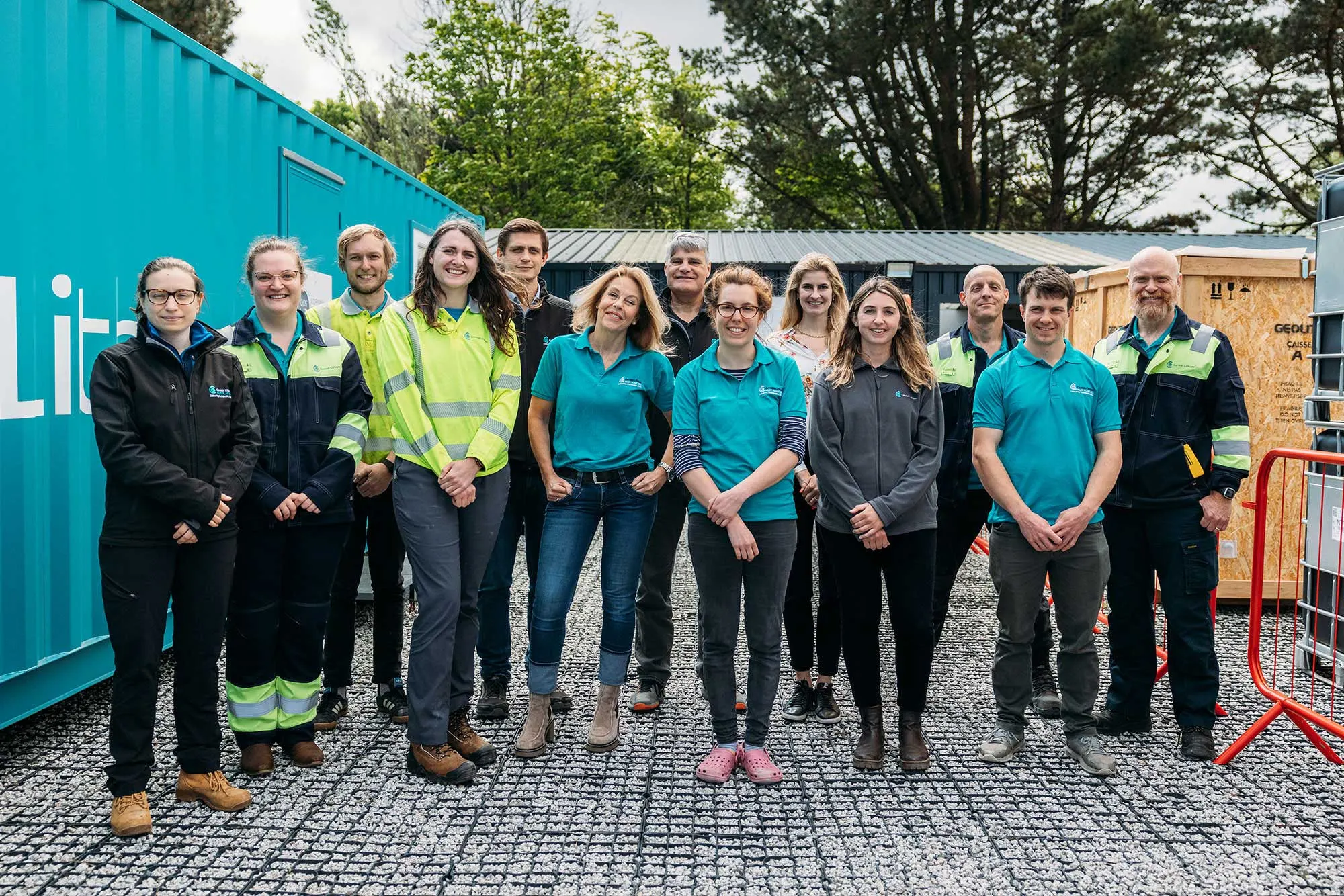
The same approach works beyond recruitment. Founder stories, team introductions, expert interviews and profiles of the people making a product or delivering a service all make an organisation easier to understand.
Where trust matters, putting a genuine person on screen can sometimes do more than another paragraph of brand copy ever could.
Section 08
Experience-led films: when someone needs to imagine being there
This is a big part of our world.
Travel, hotels, restaurants, holiday homes, destinations and experiences all ask the viewer to make a fairly emotional decision.
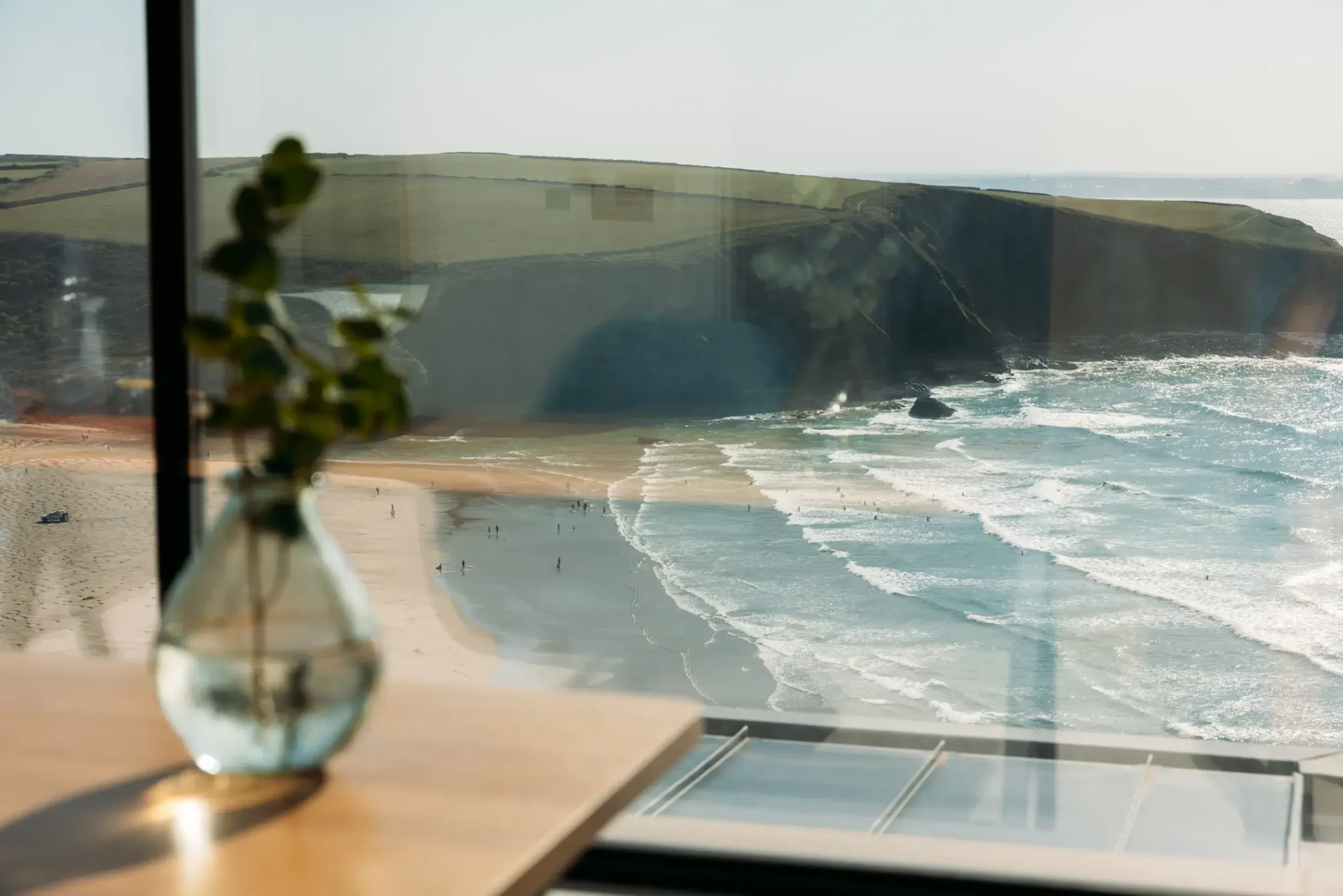
They don't simply need information about the room. They need to imagine waking up in it. They don't need another aerial shot proving that Cornwall has a coastline. They need to feel what arriving there might be like.
That changes what we look for while filming.
A hand reaching for breakfast. Someone coming in from the sea. The sound of a boat leaving the harbour. Evening light moving through a room.
The details make the larger place believable.
This is why experience-led films are rarely at their strongest when they become property tours or lists of attractions. The aim isn't to document everything. It's to give somebody enough to start imagining themselves there.
Section 09
Training and internal films: when the audience already knows the brand
Not every film is marketing. Sometimes the people watching already work there.
Training, onboarding and internal communications have different requirements. Clarity matters, as does structure, because the film may need to be returned to rather than watched once and forgotten.
That doesn't mean internal films need to feel dull. A real demonstration will usually beat a slide full of instructions. An employee explaining how something works can feel far more natural than an anonymous voiceover, while well-used graphics can make complicated information easier to retain.
The production values still matter. They just serve a different purpose.
Section 10
Website films: sometimes the film doesn't need to tell a whole story
Some of the most useful video we make is barely a “film” at all.
A silent sequence running behind the top of a website can establish atmosphere before somebody has read a word. A short loop on a product page can demonstrate something instantly, while movement between sections can make a digital experience feel far richer than a collection of static photographs.
These pieces work differently because they live alongside everything else on the page.
The headline is doing some of the explaining. The body copy adds context. The film creates feeling.
That means it doesn't necessarily need an introduction, interview or conclusion. Often it simply needs a few very good moments that tell the visitor what kind of world they've arrived in.
Section 11
Longer films and series: when the story has earned more time
Shorter is not automatically better.
It is easy to assume that because so much marketing attention is currently on Reels, TikTok and Shorts, audiences have stopped watching longer work. In reality, people will spend time with something when the subject gives them a reason to.
Documentaries, original series, detailed customer stories, interviews, process films and behind-the-scenes pieces can all comfortably earn more time.
The job isn't to make everything short. It's to avoid making anything longer than it deserves to be.

Section 12
You may not actually need to choose just one
This is probably the biggest way our thinking has changed since we first wrote this article in 2023.
We used to talk about many of these as separate types of film. Increasingly, we think about them as different uses of the same production.
A day filming with a food brand might produce the main campaign film, several portrait social edits, a founder interview, silent website footage, photography and dozens of individual moments for future posts.
A property shoot might create a main film for the listing, room-specific clips, website headers, social footage and a bank of detail shots the marketing team can use throughout the season.
The important part is planning those uses before filming starts. It is very hard to retrospectively create a portrait shot you never captured, but much easier to spend another few minutes getting it while the room is already lit and everyone is there.
That's also the thinking behind our Content Library. Instead of allowing all the extra material from a production to disappear into an archive, we finish the strongest individual moments and organise them so the client's team can actually use them.
One production can do several jobs and have a much longer useful life.
Before choosing a film format, write down the single thing you want someone to think, feel or do after watching it, then note where they're most likely to see it. Those two answers usually tell you more than starting with a duration.
Section 13
So, what should you make?
The right answer usually becomes fairly clear once the job is clear.
A brand film helps people understand who you are. Campaign films give a particular moment focus. Social content keeps the brand present. Customer stories add proof. Explainers remove confusion. Recruitment and people films build trust. Experience-led work helps somebody imagine being there.
Often, several of those needs exist at the same time.
That doesn't necessarily mean commissioning several separate productions. With the right planning, one shoot can give you the centrepiece film and a much wider body of useful material around it.
That is increasingly how we think about production: not simply as making a video, but creating a set of visual assets that can work together across a campaign, a website and the places your audience actually encounters the brand.
The camera is only part of the job. Knowing what to point it at, why you're filming it and how the footage needs to live afterwards is where the useful work begins.
If you're working out what kind of film would make sense for your next project, we're always happy to talk it through.
— Useful answers
Choosing the right film.
01What are the main types of video content for businesses?+
Common types include brand films, campaign films, social content, customer case studies, product and explainer films, recruitment films, training content and website video. The right choice depends less on the label and more on what the viewer needs from the film.
02What is the difference between a brand film and a promotional film?+
A brand film usually communicates something broader about who a business is, what it feels like and why somebody should care about it. A promotional or campaign film normally has a more immediate subject, such as a product launch, event, offer or new service.
03How do I know what type of marketing video I need?+
Start with the audience, where they will encounter the film and what you want to change after they watch it. Someone discovering your brand needs something different from somebody already comparing suppliers or deciding whether to buy.
04Should we make one long video or several short ones?+
Often both. A well-planned production can create a main film alongside shorter edits and individual clips for social, websites and campaigns. Planning the different uses before the shoot is much more effective than trying to create them retrospectively.
05Can one shoot create several different types of video?+
Yes. A single production can create a brand or campaign film, vertical social edits, interviews, website loops and a library of individual clips. The important part is agreeing those uses early enough to compose and capture the right material during the shoot.
06Are longer films still worth making?+
Yes, when the story has earned the time. Documentaries, detailed customer stories, interviews and process films can hold attention when the subject is genuinely useful or interesting. The aim is not to make everything short, but to avoid making anything longer than it deserves to be.

Written by
Rich Stephens
Co-founder and filmmaker at PixelRain. Notes from the people planning, filming and editing the work.
Meet the studio
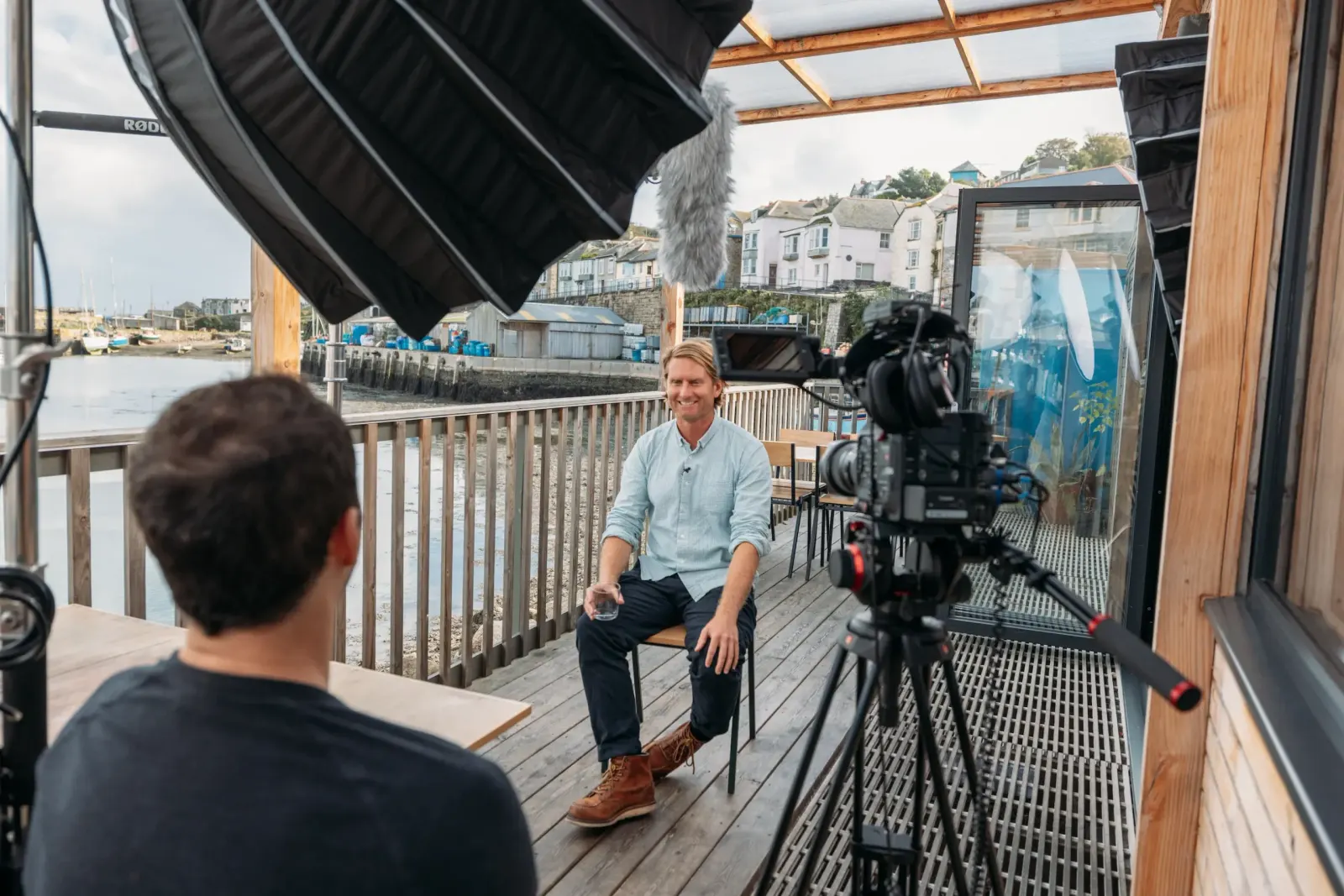
Section 04
Social content: when the brand needs to stay present
Short-form video has become one of the most important parts of the marketing mix, but “social video” is an unhelpfully broad category.
A fifteen-second atmospheric Reel and a chef explaining a technique directly to camera are both social content. So is a behind-the-scenes clip, a customer answer, a vertical advert or a short interview.
The right treatment depends on the idea and where it is going to live.
That makes social something worth thinking about during the shoot rather than simply cropping out of the main film afterwards. Portrait framing, additional close-ups, shorter actions and moments that work without much explanation can all be captured deliberately while everyone and everything is already in place.
Social also tends to work best as a body of content rather than one isolated post. The value is in having enough good material for a brand to stay visible without every appearance feeling like another advert.