

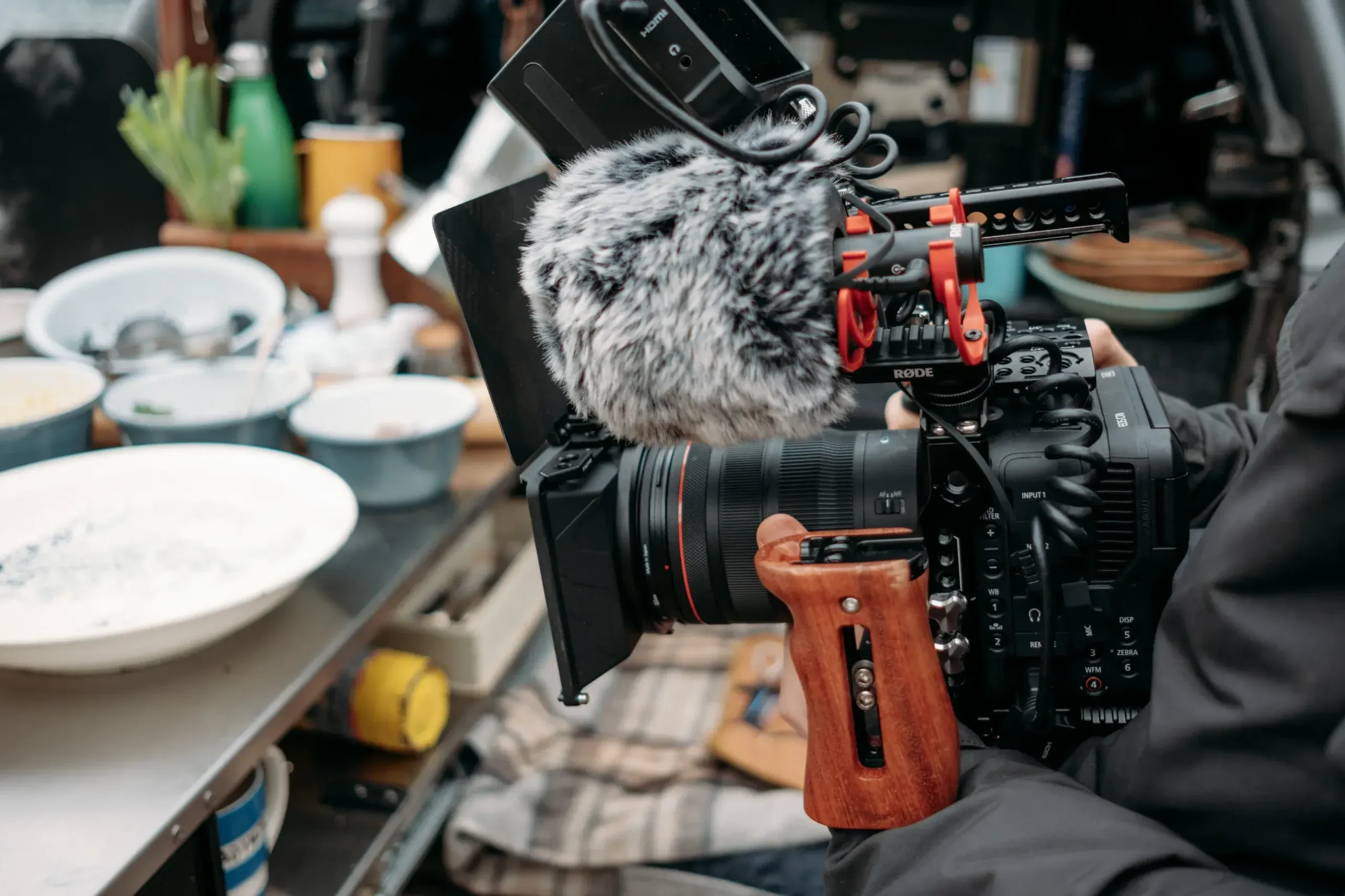
How to Make Social Media Video People Actually Want to Watch
Words byRich StephensCo-founder and filmmaker at PixelRain
17 min readUpdated 4 September 2026
A practical guide to social media video for brands, covering planning, filming, Reels, TikTok, LinkedIn, Shorts, editing and measuring what works.
Section 01
Start with what people would actually want to see
Social video moves quickly. The principles behind good social video do not. Here is how we think about planning, filming and turning one production into content that actually belongs in people’s feeds.
There was a point when making video for social media mostly meant taking the film you already had, cutting thirty seconds out of it and uploading the result to Facebook.
That world has gone.
Instagram Reels, TikTok, LinkedIn and YouTube Shorts have each developed their own visual language. People move through them quickly, the screen is mostly vertical and content made by brands sits directly alongside content made by friends, creators, chefs, hotels, journalists and someone filming their dog in the kitchen.
That changes the job.
For a marketing team, the question is no longer simply, “How do we make a social media video?” It is closer to, “What is worth filming in the first place, how should we capture it, and how do we make enough useful material from the production for it to keep working after the shoot is over?”
We spend a lot of our time thinking about exactly that.
We make brand films and campaign content for businesses across food, travel, hospitality, property and plenty beyond. Increasingly, the social side of those productions is planned from the beginning rather than added at the end.
That distinction matters.
A surprisingly useful question when planning social content is, “Would anybody watch this if the logo disappeared?”
It does not mean hiding the brand. It means giving people something worth stopping for.
A pizza coming out of an oven. The first boat arriving at an island in the morning. Steam lifting from a dish in a restaurant kitchen. Someone opening the doors of a holiday home onto the sea. A member of staff explaining something they genuinely know a lot about.
All of those things contain something before a marketing message gets anywhere near them. Interest. Movement. Knowledge. Appetite. Place. Personality.
That is usually where we start.
If the starting point is simply “we need six Reels this month”, it is very easy to end up producing six pieces of content with nothing much to say.
Start instead with the things your audience might genuinely want to see, learn or feel. The formats come afterwards.
Section 03
Plan for the screen
We still see productions where social media has been added to the deliverables after everything has been shot in widescreen.
You can crop a 16:9 image into 9:16. Sometimes it works perfectly. Sometimes you discover that the chef is on the left of the frame, the dish is on the right, and your vertical crop can contain precisely one of them.
That is why we increasingly think vertically while filming.
It might mean capturing a second version of a setup. Giving a subject a little more space around them. Shooting a particular movement twice. Capturing additional close-ups because we know they will work beautifully in portrait. Or operating another camera specifically for vertical material.
This is a small production decision that can radically improve the usefulness of the footage afterwards.
The technical rule is easy. The more important creative rule is to compose for the screen someone is actually going to watch it on.
The first few seconds matter
“Hook them in the first three seconds” has become one of those pieces of marketing advice repeated so often that it has almost stopped meaning anything.
There is truth underneath it. People scrolling through social media make very fast decisions about whether something is relevant to them.
But a hook does not have to mean giant text saying WAIT UNTIL YOU SEE THIS.
A hook can simply be a compelling image. Flames catching inside an oven. A drone revealing somewhere unexpected. A sentence that makes you want to hear the answer. A face. A strange sound. An action already underway.
Our preference is usually to begin as close as possible to the interesting bit.
Social video often improves when you remove the introduction rather than make the introduction louder.
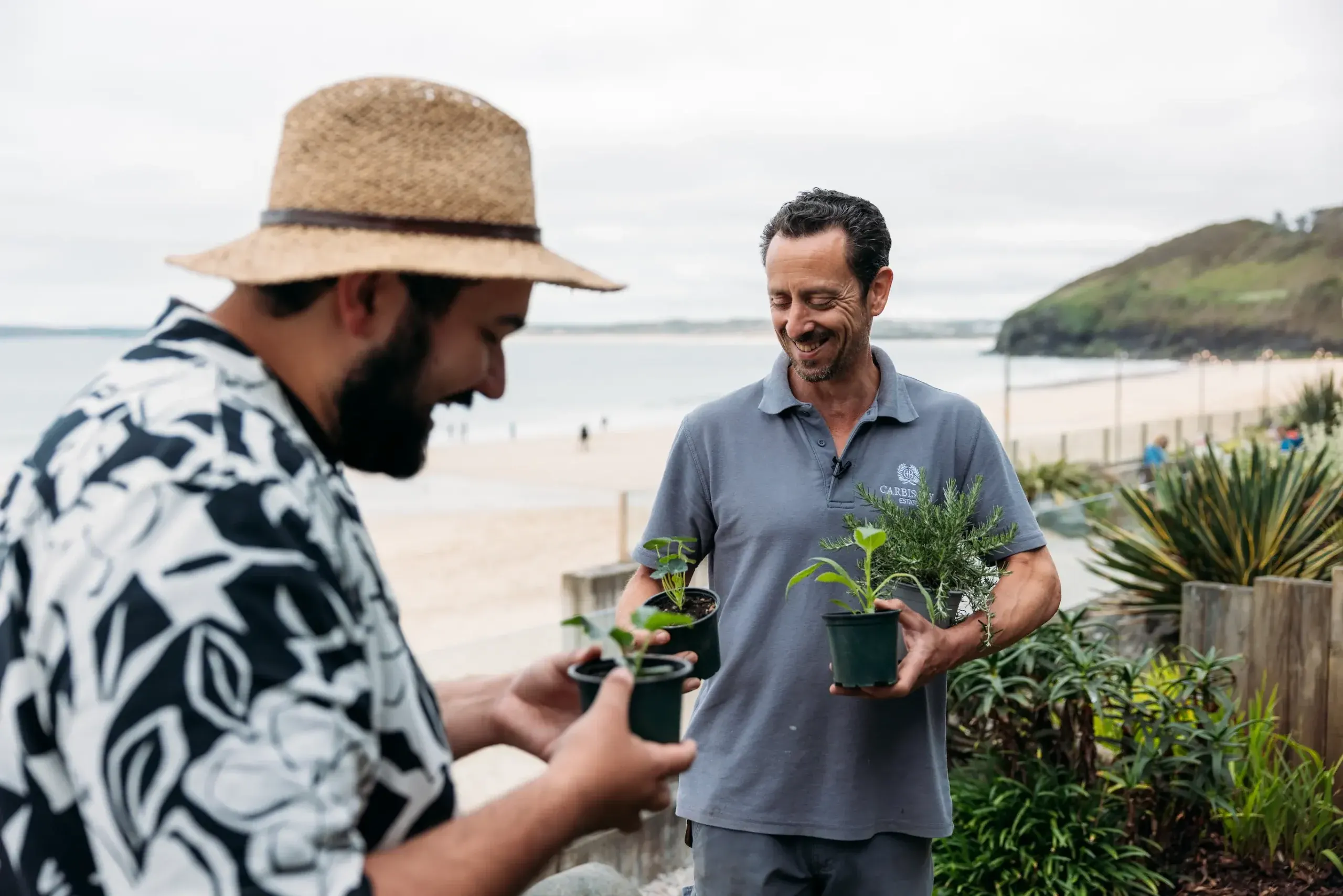
Composing for different screens
3 photographs · Open the albumSection 04
Sound matters again
The old version of this article told readers to optimise everything for sound-off viewing. We would write that differently now.
Your content should still make sense without sound. Captions remain useful and accessibility matters. But sound itself is increasingly part of the creative.
Music, location sound, dialogue and small details recorded on set can completely change how a short piece feels.
Think about food. The scrape of a knife through something crisp, dough hitting a worktop, oil sizzling in a pan or the door of an oven closing can do almost as much work as the picture.
The same is true of travel. Waves, gulls, footsteps, a boat engine, the sound inside a railway carriage. Those sounds place somebody there.
We still caption dialogue. We still make sure the idea survives if someone’s phone is muted. But we would no longer plan social video on the assumption that sound is unimportant.
You do not need to make everything look like an advert
This is particularly important for brands that care deeply about how they look.
High production values and social-native content are not opposites. You can light something beautifully, compose it properly and grade it carefully without making it feel like an advert.
The difference is often in the behaviour.
A film starts to feel overly advertising when everything is too controlled. Every sentence has been approved. Every person appears to be performing. Every shot exists to communicate a selling point.
Social feeds tend to reward something more immediate. Real people are useful. So are imperfections.
Someone laughing at the end of a take can be more watchable than the take itself. A chef talking while actually cooking often feels better than asking them to recreate the action for camera. A behind-the-scenes clip from a large production can sometimes be more interesting on social than the polished film it produced.
That is not a reason to make everything deliberately rough. It is a reason to leave space for things to happen.
Section 05
Give people something useful
Not every social film needs to sell.
In fact, a feed that is constantly asking something of its audience becomes exhausting quite quickly.
Some of the most useful things a brand can publish simply answer a question.
How is this made? What happens behind the scenes? What should I order? Where should I go when I arrive? What is the difference between these two products? What does this person actually do? What should I know before booking?
That sort of material is good social content because it earns attention rather than demanding it.
It also tends to age better than trend-led content. A useful film can continue being discovered months after it was published, particularly as the boundary between social media and search continues to blur.
For marketers, that is worth remembering. You are not only filling a feed. You are gradually building a useful visual body of knowledge around the brand.
Section 06
One shoot should give you much more than one film
This is probably the biggest thing we would add to the article we wrote in 2024.
We no longer think the most useful question is, “How many social videos are we making?” We think it is, “How much useful material can this production create?”
Imagine you are organising a day of filming for a hotel. The centrepiece might be a brand film.
But while you are there, you can also capture portrait footage of the rooms, details from breakfast, people arriving, the bar in the evening, staff at work, the view outside, food being prepared and a collection of simple moments that never need to appear in the main film.
Some become finished Reels. Some become website headers. Some become short ads. Some are simply useful pieces of footage your marketing team can return to later.
We call the latter our Content Library.
Rather than leaving all that good material buried inside project drives, we select individual moments from the shoot, finish them properly and organise them so the client’s team can actually use them.
That changes the economics of a shoot.
Instead of spending the production budget on one film and returning to zero once it launches, the production leaves behind an asset bank that can continue feeding the campaign.
It is the principle we describe internally as one shoot, many lives.
For marketing teams trying to maintain a regular presence without commissioning a full production every fortnight, it makes an enormous difference.
When you plan a shoot, make a second list alongside the shot list. Ask what your marketing team is likely to need three months after the main campaign has launched. That list often produces some of the most valuable footage of the day.
Section 07
Adapt the work without starting again
Repurposing content is sensible. Uploading precisely the same file everywhere is different.
The 9:16 edit that feels completely natural on TikTok might need subtitling and more context on LinkedIn. An Instagram Reel driven almost entirely by music might become more useful elsewhere with natural sound or a short voiceover. Even the opening frame may need to change.
Think of the original footage as the common ingredient rather than the final file.
One production can absolutely feed every platform. The edits should still respect where they are going.
Think about longevity as well as trends
Trends have their place. A relevant format, sound or idea can give a brand an easy way into a conversation that is already happening.
But chasing trends should not become the strategy.
For most of the businesses we work with, the most valuable footage is often much simpler.
Good food still looks good six months later. A genuinely interesting person does not stop being interesting because a trending audio disappeared. A beautiful place does not need a meme attached to justify filming it. A useful answer keeps being useful.
We would rather build a strong bank of recognisable material around a brand and use trends selectively than create a feed whose personality changes every week.
Consistency does not mean every post looks identical. It means they feel as though they came from the same place.
Section 08
Measure what the film was actually meant to do
Views are useful. They are also very easy to stare at without learning much.
A film intended to reach a new audience should be judged differently from one answering a question for existing customers. A launch film has a different job from a hotel walkthrough. An advert has a different job from a behind-the-scenes Reel.
Before publishing, decide what would constitute useful behaviour.
It might be people watching beyond the opening. Saving the post. Sharing it. Visiting the profile. Clicking through. Asking a question. Booking. Or simply seeing the same brand repeatedly over a period of time.
Then look at the numbers in that context.
One of the advantages of social media is that feedback arrives quickly.
If people consistently leave a particular type of film after five seconds, look at what happens at five seconds. If close-up food footage is repeatedly saved, make more of it. If a member of the team keeps generating comments whenever they appear, perhaps they should appear more often.
Analytics are most useful when they influence what you film next.
Section 09
What should you actually film?
There is no universal social media shot list. That is a good thing.
The useful material comes from understanding the brand rather than following a template.
For a food business, it might be hands, ingredients, heat, process, finished dishes and the people making them.
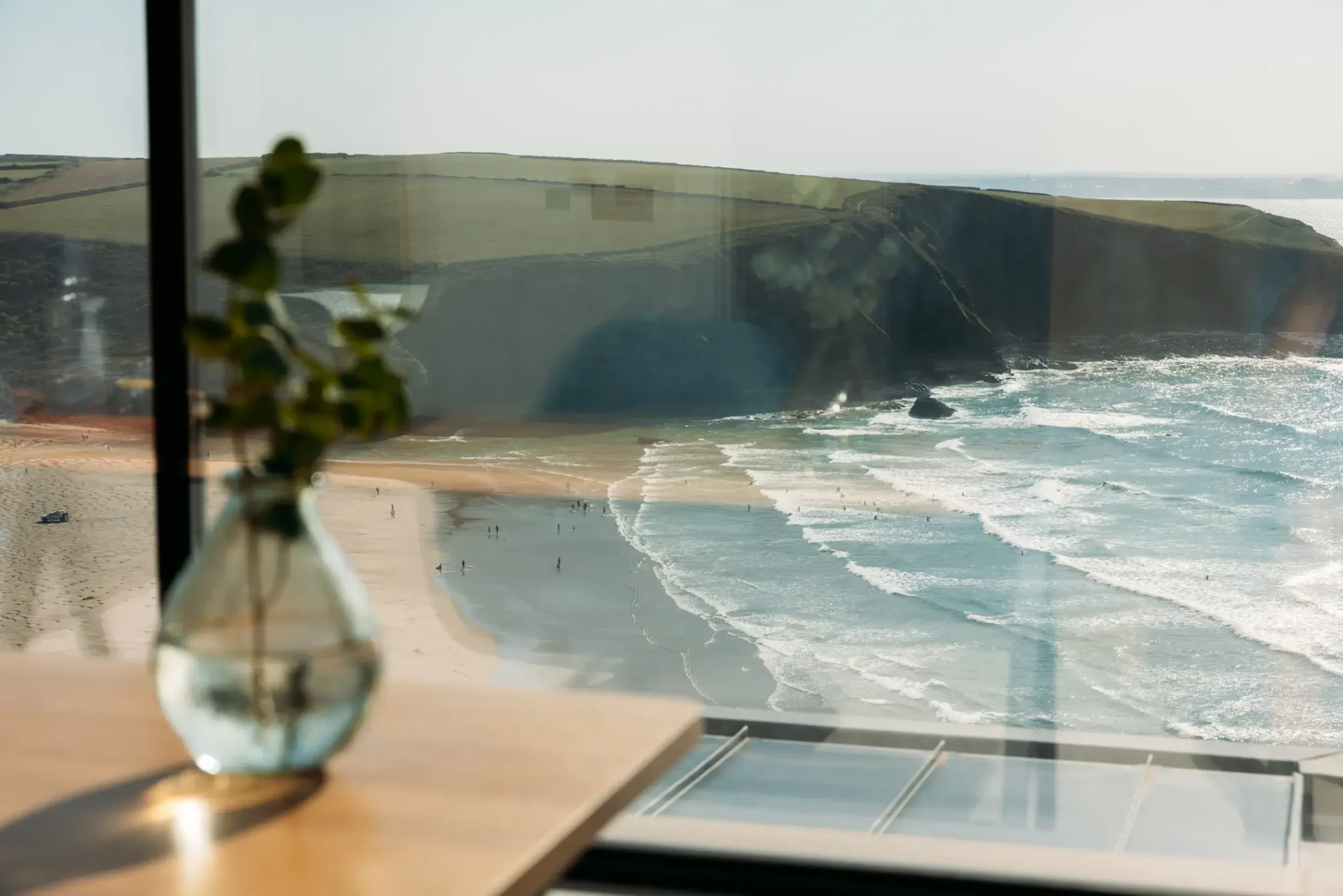
For a destination, it might be arrivals, movement, weather, local characters, small details and moments that make somebody imagine themselves there.
For a property, it is rarely just another wide shot of the lounge. It might be opening a bedroom curtain in the morning, walking from the house to the beach or a glass being put down beside the fire.
For a corporate brand, it may be the people doing the work rather than another shot of the building.
That is where social content gets more interesting. You stop asking, “What normally goes in a Reel?” And start asking, “What is distinctive about this?”
Section 10
Build something you can actually sustain
There is a temptation to design social strategies around an ideal version of the marketing team.
Three Reels a week. Daily Stories. Weekly interviews. Monthly shoots. Creator partnerships. Four platforms.
Then Tuesday happens.
Someone needs to approve something, a campaign launches, there is an event next week and nobody can remember where the footage from the last shoot was saved.
A useful social video system has to survive real working life.
That might mean fewer, better productions. It might mean intentionally building a large Content Library twice a year. It might mean mixing professionally produced campaign work with quick phone footage from the team.
Usually, the strongest answer is a combination.
Your flagship work gives the brand its visual standard. The smaller pieces keep it present. The important thing is that they feel connected.
Section 11
Good social video still starts with something real
Platforms will keep changing. Formats will change. Maximum durations will change. Algorithms certainly will.
The thing underneath all of it is much more stable.
Give someone a reason to care. Show them something they would not otherwise see. Make the first moment worth staying for. Capture it in a way that works for the screen they are holding.
Then make enough from the production for the idea to keep moving after the first post has gone live.
That is what useful social video looks like to us. Not content for content’s sake, but good moments, properly made, with enough life in them to travel.
If you are planning a campaign or trying to make an existing production work harder across social, we are always happy to talk through what the shoot could become.
— Useful answers
Social video questions, answered.
01What makes a good social media video?+
A good social media video gives someone a reason to stop. It begins close to the interesting part, suits the platform and screen it was made for, and offers something worth seeing, learning or feeling before it asks anything of the viewer.
02How long should a social media video be?+
There is no single ideal length. A simple visual moment may only need ten seconds, while a useful demonstration or interview may deserve a minute or more. Make the film as short as the idea allows, but not so short that it loses the thing that makes it useful.
03Should social media video always be vertical?+
Vertical 9:16 video is usually the right starting point for Reels, TikTok and Shorts, but not every destination requires it. LinkedIn, YouTube and websites can also make good use of square and landscape versions. Plan the formats before filming so the compositions work properly in each one.
04Can the same video be posted on every platform?+
The same idea and footage can travel between platforms, but the final edit often needs to change. The opening frame, duration, captions, sound and context should suit where the film will appear rather than treating every feed as identical.
05How much social content can come from one shoot?+
With proper planning, one production can create a hero film, platform-specific edits and a library of finished individual clips for future use. The exact number matters less than capturing enough variety and making the material easy for the marketing team to find and publish.
06Does social video need professional production?+
Not every post needs a full crew. Professionally produced campaign work can set the visual standard, while quick phone footage keeps a brand present between larger shoots. The strongest approach is often a connected mix of both.

Written by
Rich Stephens
Co-founder and filmmaker at PixelRain. Notes from the people planning, filming and editing the work.
Meet the studio
Section 02
Social media is not one platform
One of the biggest changes since we originally wrote this article in 2024 is how little sense it now makes to talk about social media video as though it is one format.
The same idea can travel between platforms. The same edit often should not.
An atmospheric fifteen-second film of a hotel bedroom might feel completely natural on Instagram. A chef talking directly to camera could work beautifully on TikTok. A two-minute interview with the person who designed a product might have a much better home on LinkedIn. A useful demonstration could continue into a longer YouTube Short.
The subject can remain consistent while the treatment changes.
That does not mean producing four completely separate campaigns every time you film. It means thinking about the destinations for the footage before the cameras come out.
Instagram Reels
Instagram remains highly visual. For the brands we tend to work with, particularly food, travel, property and hospitality, it is an obvious home for strong imagery.
Full-screen vertical footage makes sense here. Details matter. Movement matters. Sound can add enormously to the atmosphere, but the visual idea should be strong enough to catch someone before they have consciously decided to listen.
A beautifully shot ten-second moment can sometimes do more useful work than a heavily scripted sixty-second Reel.
TikTok
TikTok has its own rhythm.
Content that feels excessively polished or like a television advert transplanted into a phone screen can feel immediately out of place. The platform encourages brands to make content vertically, use sound, feature people and get into the idea quickly.
That does not mean good production is a disadvantage. It means production should serve the idea rather than announce itself.
Sometimes the right piece of TikTok content is something we have carefully lit and filmed. Sometimes it is a phone behind the scenes while that shoot is happening. The useful bit is knowing which is which.
LinkedIn
LinkedIn is interesting because branded video has become much more visual there, but the reason people are watching is often different. Context matters more.
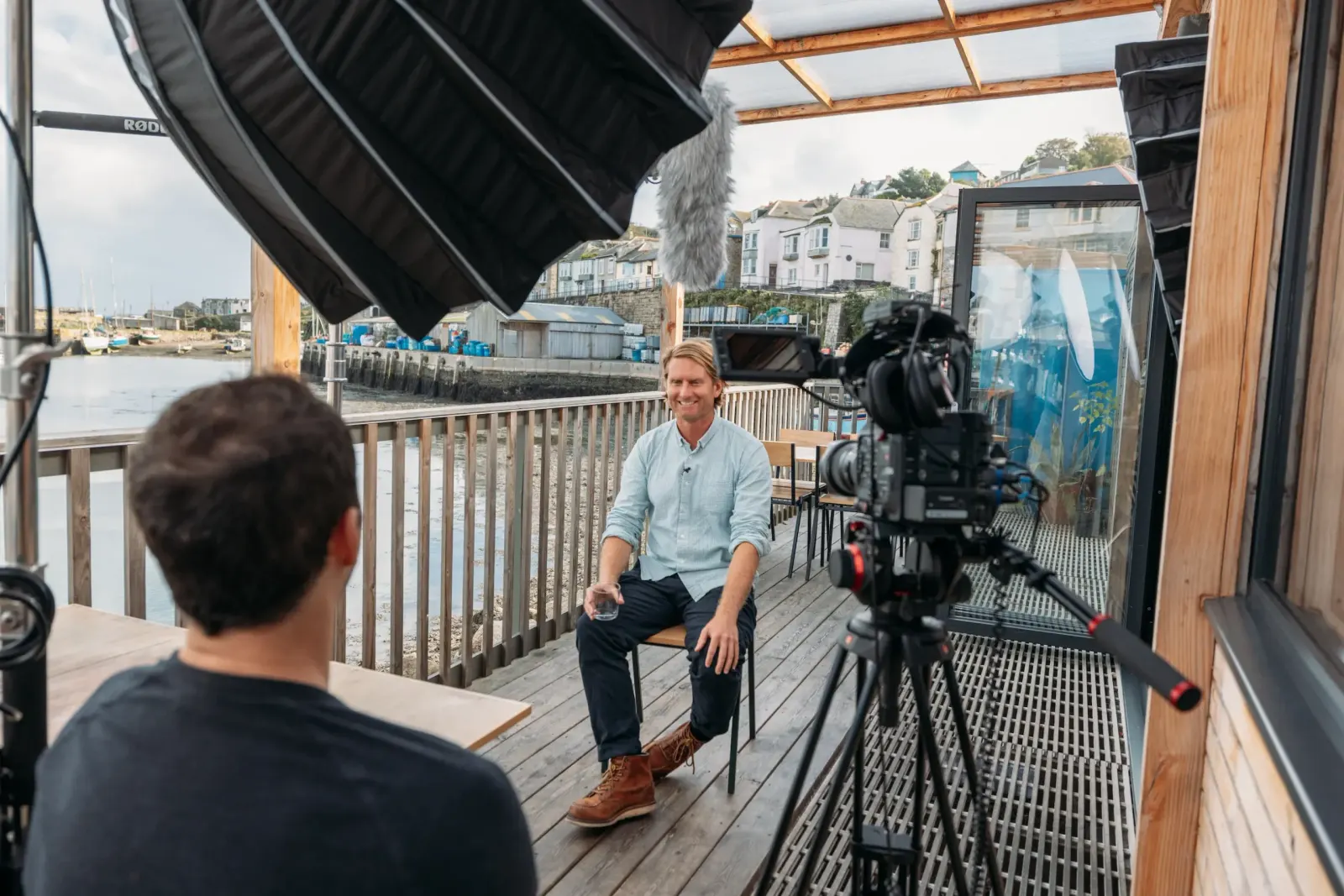
A beautiful thirty-second film can still work, particularly when it launches a campaign or shows a project. But interviews, insights, case studies, behind-the-scenes material and people talking intelligently about their work have a natural home there too.
The question is rarely, “How short can we make this?” It is, “How long does this idea deserve?”
YouTube Shorts
Shorts sit somewhere slightly different again. The format gives brands more room when an idea needs it.
That can make Shorts particularly useful for demonstrations, food content, short interviews, travel ideas and stories that feel cramped inside a fifteen-second edit.
The important thing is not to use all the available time simply because it is there. Give the idea the time it earns.